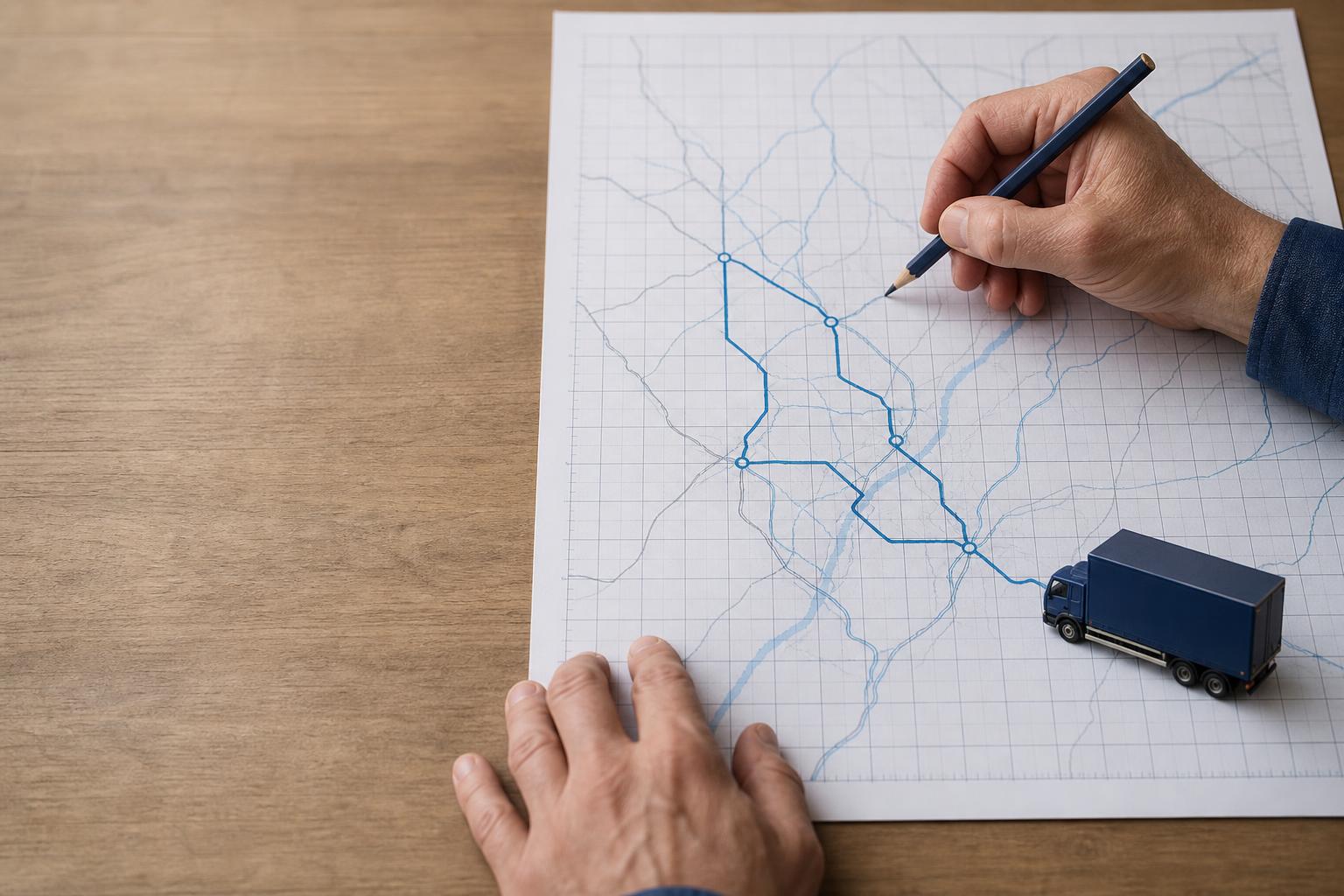
Compare curb access with designated loading areas
Start with the City of Raleigh’s parking maps and apps, which include information about parking areas and loading zones: https://raleighnc.gov/transportation/services/maps-and-apps. Then inspect posted signs at both addresses close to the planned move date because on-site restrictions determine whether a space is usable. A nearby curb may offer a shorter route, but it is not suitable if signs prohibit stopping or the truck would obstruct a travel lane, driveway, fire lane, or signed space. A designated loading area may be farther from the door yet provide a clearer place for loading activity. Ask the property manager or building contact whether a loading zone exists, who may use it, and whether it must be reserved.
Confirm building rules before choosing the truck position
Apartments and condominiums may control access separately from public parking rules. Ask about loading-dock reservations, approved entrances, move hours, elevator bookings, vehicle size limits, gate instructions, and any requested documentation. Obtain written confirmation where possible and share the applicable instructions with everyone involved in the move. Check both origin and destination. A workable loading plan at one address does not resolve restrictions at the other, and building permission does not override street signs or public-access rules.
Measure the truck-to-door route
Walk the likely route from the lawful stopping point to the entrance. Note the approximate distance, stairs, ramps, gates, narrow hallways, elevator transfers, uneven surfaces, and doors that require keys or codes. Include these details when requesting a written estimate because access conditions can affect the planned labor, equipment, and timing. Compare possible positions by more than proximity. The preferred option should be lawful, authorized by the property when required, and practical for moving items without blocking shared access.
Prepare a lawful backup access plan
Choose a second legal stopping location in case the intended area is occupied, unavailable, or unsuitable when the truck arrives. Record the alternate walking route and identify who will contact the property manager if access changes. Never base the backup on double-parking, blocking a driveway, occupying a fire lane, or stopping in a prohibited area. Before finalizing the move plan, send the selected and backup access details with both addresses, inventory, oversized items, stairs, elevators, and building restrictions. The broader /resources/ library can help organize other planning decisions, while /moving-cost-calculator/ can capture scope details before an estimate request.